Design Flexibility Meets Real-World Utility: How Keychain Patterns, Mug SVG, and Patterns SVG Are Reshaping Creative Workflows
In today’s fast-paced creative economy, professionals—from freelance designers and small-batch product developers to marketing teams and lifestyle brand founders—increasingly rely on adaptable, production-ready assets. At the center of this shift are Keychain Patterns, Mug SVG, and Patterns SVG: not just decorative files, but modular design systems engineered for real-world manufacturing, digital integration, and brand consistency.
These aren’t generic clipart packs or one-off illustrations. They’re precision-crafted vector-based templates—scalable, editable, and optimized for diverse output channels. What sets them apart is their intentional structure: each design anticipates how it will be applied, cut, printed, or embedded across physical and digital touchpoints. And critically, they ship in a robust set of industry-standard file formats—PDF, AI, DXF, SVG, EPS, and PNG with transparent background—ensuring seamless compatibility with everything from Cricut and Silhouette cutting software to Adobe Illustrator workflows, Shopify product mockups, and print-on-demand platforms.
More Than Files—A Bridge Between Design Intent and Physical Execution
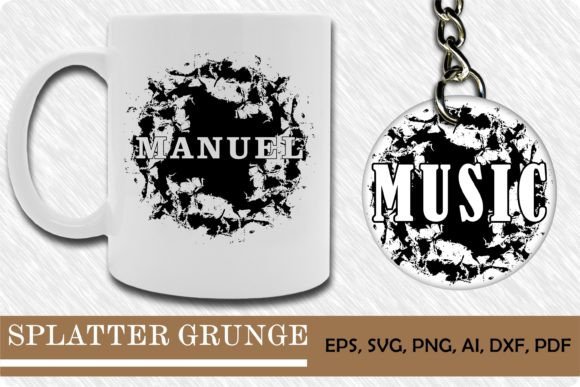
A Keychain Pattern isn’t merely a shape with a border—it’s a calibrated template that accounts for material thickness, attachment hole placement (typically 3–4 mm), bleed margins, and vector path simplicity for clean laser cutting or vinyl plotting. Similarly, a Mug SVG goes beyond aesthetics: it embeds safe-zone guidelines (to avoid handle interference and rim distortion), follows standard wrap dimensions (e.g., 8.5" × 3.5" for sublimation), and maintains crisp edge definition at any scale—vital when printing on ceramic, stainless steel, or bamboo mugs.
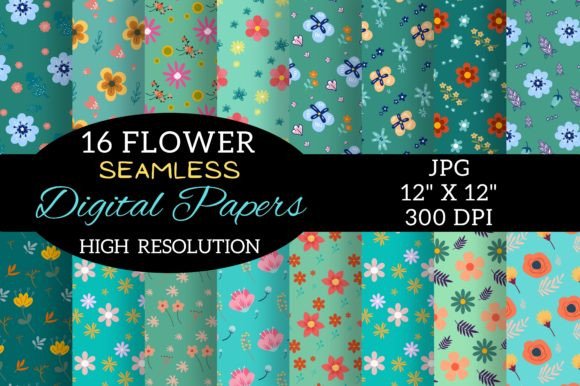
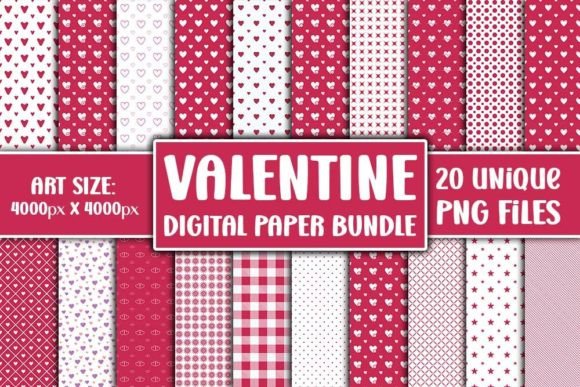
Patterns SVG, meanwhile, operate at a systemic level. These aren’t isolated motifs—they’re repeatable, tileable, and mathematically aligned units designed for seamless scaling across textiles, packaging, web backgrounds, or wall decals. Their construction prioritizes anchor point logic and path optimization so that even complex geometries render efficiently in both browser environments (SVG) and CNC toolpaths (DXF).
This level of technical foresight reflects an industry-wide evolution: creators no longer treat design files as static deliverables. Instead, they treat them as interoperable components—assets that must move fluidly between ideation, prototyping, production, and iteration.
Why This Matters Now: Converging Trends Driving Adoption
Three interlocking developments make Keychain Patterns, Mug SVG, and Patterns SVG especially relevant today:
- The rise of micro-manufacturing: With accessible tools like desktop cutters, sublimation printers, and direct-to-garment machines, entrepreneurs can produce small-batch, high-margin items without inventory risk. But success hinges on asset readiness—files that require zero rework before cutting or printing. Pre-optimized SVG, DXF, and EPS files eliminate bottlenecks in that workflow.
- Brand consistency across touchpoints: A wellness coach launching merch doesn’t just need a logo—they need that same visual language adapted flawlessly to a silicone keychain, a matte-finish ceramic mug, and a reusable tote bag. Patterns SVG provide the underlying rhythm; Keychain Patterns and Mug SVG deliver the precise framing. Together, they ensure cohesion without redundant design labor.
- Time-as-a-strategic-resource: For freelancers juggling five clients or solopreneurs managing fulfillment alongside content creation, every minute spent converting, resizing, or troubleshooting files is time diverted from value creation. Having assets available in PDF for quick client review, AI for deep editing, DXF for cutting machines, SVG for web integration, EPS for legacy print vendors, and PNG with transparent background for social mockups means decisions happen faster—and execution stays predictable.
Practical Integration: From Concept to Customer Touchpoint
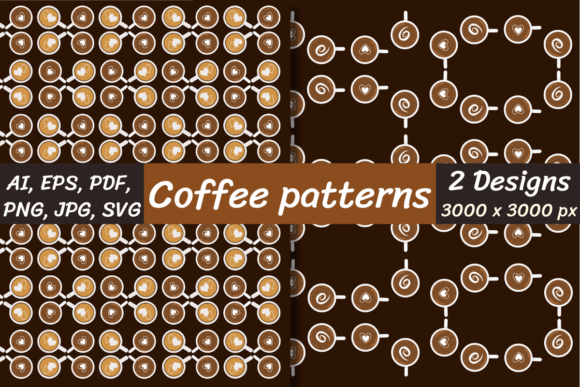
Consider a boutique stationery brand launching a limited-edition planner line. Its team uses Patterns SVG to generate cohesive liner notes, cover textures, and sticker sheet layouts—all derived from a single, editable base pattern. When designing promotional bundles, they drop a Keychain Pattern into their Cricut Design Space, adjust colors to match the planner’s palette, and cut acrylic keychains in under two minutes. For coffee-themed Instagram ads, they place a Mug SVG into a mockup template, swap in new typography, and export a retina-ready PNG—no rasterization artifacts, no pixelation, no guesswork.
Or take a corporate learning designer building engagement kits for remote teams. Instead of commissioning custom illustrations for each item (a costly, slow process), they license a coordinated set of Keychain Patterns, Mug SVG, and Patterns SVG. The patterns unify the visual identity across digital slide decks (SVG), printed workbooks (PDF), and physical swag (DXF + AI). The result? Cohesion at speed—and budget predictability.
Technical Readiness as a Competitive Differentiator
It’s telling that leading print-on-demand platforms now prioritize SVG and DXF support—not just for ease of upload, but because those formats reduce support tickets related to blurry edges, misaligned cuts, or color shifts. Likewise, hardware manufacturers like Glowforge and Roland explicitly recommend SVG and DXF for optimal machine interpretation. In this context, having access to Keychain Patterns, Mug SVG, and Patterns SVG in all six formats isn’t about convenience—it’s about operational resilience.
For example, an EPS file preserves Illustrator fidelity for high-end offset printing, while the same design in DXF ensures accurate toolpath generation for metal stamping. The PNG with transparent background allows immediate use in Canva presentations or email headers—no background removal needed. That cross-format coverage transforms a single design investment into a multi-channel, multi-stage asset pipeline.
Looking Ahead: Design Systems, Not Just Downloads
The future of creative assets lies not in isolated files—but in structured design systems. Today’s Keychain Patterns, Mug SVG, and Patterns SVG are early expressions of that principle: intentionally built, rigorously tested, and format-agnostic by design. As generative tools mature and AI-assisted customization becomes mainstream, the value won’t shift toward novelty—it will deepen around reliability, adaptability, and cross-platform fidelity.
That’s why forward-looking creators aren’t just downloading SVGs—they’re auditing their entire asset stack for format coverage, scalability integrity, and production alignment. They’re asking: Does this pattern tile cleanly at 200% zoom? Will this mug template avoid distortion on a 16-oz tapered tumbler? Does this keychain file include a centered 3.2mm drill guide? These questions reflect a maturing creative discipline—one where design literacy includes understanding how vectors translate into physical objects and digital experiences.
Ultimately, Keychain Patterns, Mug SVG, and Patterns SVG represent more than a product category. They signal a quiet but significant recalibration: from treating design as decoration to treating it as infrastructure. And infrastructure—whether in code, hardware, or creative assets—only delivers value when it’s interoperable, maintainable, and ready for what comes next.
Whether you're launching your first Etsy shop, scaling a DTC brand, or equipping a university design lab, investing in rigorously formatted, purpose-built assets isn’t overhead—it’s leverage. It’s the difference between reacting to production constraints and designing *with* them as a feature.