Cute Kittens Seamless Patterns, Papers
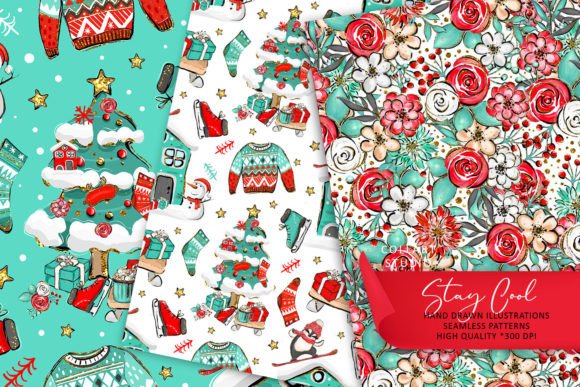
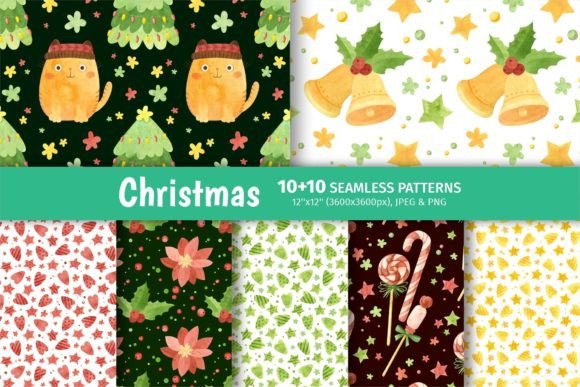
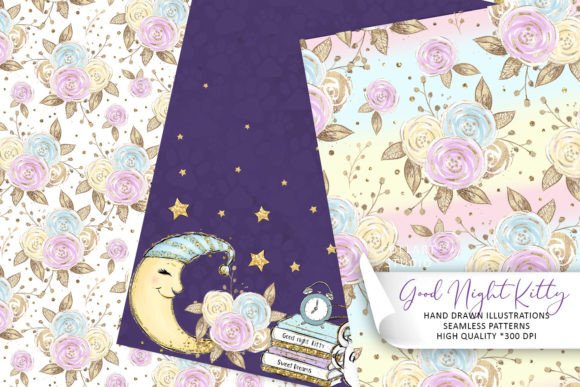
Cute Kittens Seamless Patterns, Papers refers to a curated digital collection of hand-drawn and hand-painted design assets created by Collart Studio. The set includes three original 12×12 inch, 300 dpi digital papers—each designed as a seamless pattern, meaning the edges align smoothly when tiled across surfaces or repeated in layouts. These are not stock illustrations or AI-generated motifs; they are original artworks, drawn and painted by hand, then digitized for versatile use in both physical and digital projects.
People exploring this resource typically fall into two broad categories: crafters and designers with specific aesthetic goals, and hobbyists seeking cohesive, low-effort visual elements for personal or small-scale creative work. The appeal lies in the combination of thematic charm (kittens), artisanal authenticity (hand-drawn origin), and functional flexibility (seamless tiling, high resolution, multiple applications).
A primary reason someone might consider Cute Kittens Seamless Patterns, Papers is the need for consistent, repeatable texture or background elements that retain warmth and character. Unlike algorithmically generated patterns, these papers carry subtle imperfections—variations in line weight, soft watercolor bleed, or gentle pigment layering—that lend organic tactility. That quality supports projects where personality and handmade feel matter, such as wedding invitations, planner sticker sheets, or boutique product packaging.
The included files are optimized for practical reuse. Each paper is delivered as a high-resolution PNG or JPEG (300 dpi, 12×12 inches), making them suitable for print-based applications like scrapbooking, decoupage, or fabric printing—provided the user adheres to standard color calibration and bleed margin practices. For digital use, the resolution supports web display at full size without pixelation, and the seamless nature allows easy tiling in graphic software for blog headers, social media banners, or UI backgrounds.
One benefit is time efficiency: users avoid sourcing, editing, or stitching together separate kitten-themed clip art. With seamless patterns, a single file can cover large areas without visible seams or manual repetition. Another benefit is licensing clarity—these are intended for personal and small commercial use (e.g., selling handmade cards or printable planners), though users should verify the specific license terms provided by Collart Studio at time of purchase.
However, there are tradeoffs. Because the set contains only three papers, it offers limited variety compared to expansive pattern libraries or subscription-based design platforms. Users needing dozens of coordinated options—or variations in color palette, scale, or motif density—may find the scope restrictive. Likewise, the hand-drawn aesthetic, while distinctive, may not suit minimalist, corporate, or highly technical design contexts where clean geometry or neutral tones are preferred.
Another consideration is scalability in complex workflows. While the 12×12 inch size works well for standard scrapbook pages or planner inserts, users working on oversized prints (e.g., wall murals or large-format fabric yardage) may need to confirm whether upscaling maintains fidelity—or whether third-party interpolation tools introduce unwanted artifacts. Similarly, those integrating the papers into vector-based tools (e.g., Adobe Illustrator) should expect raster-based behavior: resizing beyond native dimensions may affect sharpness unless handled with appropriate resampling settings.
This collection is a strong fit for individuals who value artistic integrity over sheer volume, and whose projects benefit from thematic cohesion and tactile nuance. It suits makers producing invitation suites with matching envelopes and tags, educators designing classroom reward charts with kitten motifs, or stationery sellers building a seasonal sticker collection. It also supports bloggers or content creators aiming to reinforce brand identity through custom, non-generic visual backdrops—especially where “cuteness” and approachability are intentional stylistic choices.
Conversely, alternatives may be more appropriate in several situations. If a project requires editable vector elements (e.g., scalable SVG kitten silhouettes for laser cutting), a hand-drawn raster paper won’t suffice—vector clip art libraries or custom illustration services would better meet that need. For teams managing large-scale, multi-user design systems, cloud-based asset management platforms with version control and collaborative annotation may offer more workflow integration than standalone digital papers. And if strict accessibility standards apply—for example, ensuring sufficient contrast for text overlays—the soft watercolor washes in some hand-painted papers may require additional testing or adjustment before final use.
Practical decision-making starts with clarifying intent. Ask: Is the goal to add warmth and narrative to a small-batch physical product? Then Cute Kittens Seamless Patterns, Papers aligns well. Is the goal to build a scalable, modular design system across dozens of templates? A broader pattern library or customizable generative tool may provide more long-term adaptability. Likewise, consider output medium: if most work happens in Canva or Google Slides, ensure the files import cleanly and retain resolution at common slide sizes (e.g., 1920×1080). If using Procreate or Affinity Designer, check compatibility with layered PSD imports—though the standard JPEG/PNG delivery means most raster-based apps will handle them without issue.
Also weigh frequency of use. Someone creating one annual holiday card series may find three thoughtfully composed papers ample. Someone launching a full sticker shop with monthly releases may quickly outgrow the set unless supplemented with complementary assets. In those cases, evaluating whether Collart Studio offers additional themed collections—or whether mixing this set with other hand-drawn resources maintains visual harmony—becomes part of the planning process.
Finally, assess technical comfort. Using seamless patterns effectively involves basic knowledge of tiling functions in software (e.g., “Pattern Overlay” in Photoshop, “Repeat Grid” in Figma, or CSS background-repeat). Beginners may need to consult documentation or tutorials—but no advanced coding or illustration skill is required to begin. The “Zoom” feature mentioned in product listings helps users inspect detail before purchase, supporting informed evaluation of line clarity, color saturation, and motif spacing.
In summary, Cute Kittens Seamless Patterns, Papers serves a distinct niche: those seeking authentic, ready-to-use, aesthetically unified background elements rooted in hand-crafted artistry. Its strength lies not in breadth or automation, but in intentionality—each paper reflects deliberate mark-making and compositional balance. Whether it fits depends less on general utility and more on alignment with a specific creative objective: to convey warmth, charm, and handmade care across tangible or digital outputs—without compromising on print-ready quality or licensing transparency.